
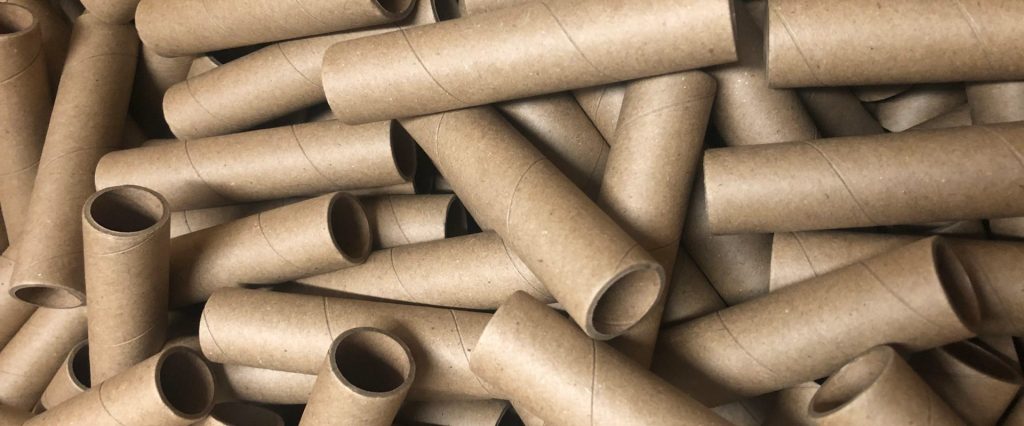
Sustainable Paper Tube Manufacturing Drives $3.55 Billion Market Growth Through 2029
The global paper tubes and cores market stands at an inflection point as manufacturers worldwide pivot toward sustainable production methods driving unprecedented market expansion. As a trusted manufacturing partner for industrial automation solutions, Elsner Engineering Works has observed that industry analysts project the market will grow by 3.55 billion dollars from 2025 through 2029. The represents a compound annual growth rate of 7.1 percent as businesses across packaging, textiles, construction, and industrial sectors demand environmentally responsible alternatives to plastic-based solutions. This transformation reflects fundamental shifts in consumer preferences, regulatory frameworks, and manufacturing technologies that position paper-based cores as essential components in the circular economy.
The sustainability revolution transforming paper tube manufacturing extends far beyond simple material substitution. Modern manufacturers implement comprehensive approaches encompassing recycled material sourcing, energy-efficient production processes, waste reduction techniques, and end-of-life recyclability that collectively minimize environmental impact while meeting stringent quality requirements. According to comprehensive market analysis, manufacturers are focusing on using recycled materials, promoting recyclability, and adopting sustainable practices throughout the production process as consumers and businesses prioritize sustainability across supply chains. Companies successfully navigating this transition demonstrate that environmental responsibility and commercial viability need not exist as competing priorities but rather as complementary strategic objectives driving long-term competitive advantage.
The economic implications of sustainable paper tube manufacturing reach beyond direct environmental benefits to encompass substantial cost advantages, market access opportunities, and brand differentiation that strengthen manufacturer positioning across global markets. Organizations implementing advanced sustainability practices report reduced raw material costs through efficient recycling programs. To maintain these efficiencies, a robust Preventive Maintenance program is essential to ensure that modern equipment operates at peak performance without unplanned downtime. These tangible financial benefits explain why industry leaders view sustainability not as regulatory burden but as strategic investment delivering measurable returns across multiple business dimensions.

The Regulatory Landscape Driving Sustainable Manufacturing
Government regulations and sustainability initiatives worldwide are fundamentally reshaping paper tube manufacturing requirements, creating both compliance obligations and competitive opportunities for manufacturers embracing environmental responsibility. Regulations promoting eco-friendly packaging materials and discouraging single-use plastics accelerate demand for paper tubes and cores as sustainable packaging alternatives across consumer goods, food service, industrial, and commercial applications. The European Union's plastic packaging directives, North American sustainability procurement requirements, and Asian market green manufacturing standards collectively establish baseline expectations that sustainable paper tube production must meet to access major markets.
The regulatory framework extends beyond material composition mandates to encompass comprehensive lifecycle assessment requirements measuring environmental impact from raw material extraction through end-of-life disposal. Manufacturers document carbon footprints, water consumption, energy usage, and waste generation throughout production processes, providing transparency that enables customers to make informed purchasing decisions aligned with their own sustainability commitments. This regulatory transparency creates advantages for manufacturers investing in sustainable practices while establishing compliance barriers that protect market positions. Many firms are now looking for custom automation machinery specifically designed to meet these new reporting and material handling standards, ensuring they can access major global markets without falling behind on green manufacturing standards.
Industry certification programs, including Forest Stewardship Council accreditation, Sustainable Forestry Initiative compliance, and ISO 14001 environmental management system certificatio,n provide standardized frameworks validating sustainable manufacturing claims. These third-party certifications offer customers objective assurance that paper tubes meet environmental performance standards without requiring independent verification of manufacturer sustainability claims. Certified manufacturers leverage these credentials in marketing communications, customer presentations, and competitive bidding situations where sustainability considerations influence purchasing decisions alongside traditional factors like price, quality, and delivery performance.
Recycled Materials Transform Raw Material Economics
The shift toward recycled paperboard and kraft materials fundamentally alters paper tube manufacturing economics by reducing dependence on virgin fiber sources while addressing customer sustainability requirements. Recycled paperboard utilizes post-consumer and post-industrial paper waste streams that would otherwise require disposal, diverting materials from landfills while conserving forest resources and reducing manufacturing energy consumption compared to virgin fiber processing. Market data indicates recycled paperboard is experiencing the highest growth trajectory, with projections showing continued acceleration as manufacturers expand recycling infrastructure and improve material quality standards.
Understanding How Automation Transforms Paper Core Production Efficiency in 2025 reveals how modern manufacturing equipment enables consistent quality production using recycled materials that previously presented processing challenges. Advanced winding machinery accommodates variations in recycled fiber properties through precise tension control systems, adaptive speed adjustments, and real-time quality monitoring that maintains dimensional accuracy and structural integrity despite input material inconsistencies. This technological capability removes historical barriers that limited recycled material adoption in demanding applications requiring tight tolerances and consistent performance characteristics.
The economics of recycled materials extend beyond purchase price advantages to encompass comprehensive total cost considerations including transportation, storage, processing efficiency, and waste disposal. Local recycling programs provide shorter supply chains reducing transportation costs and carbon emissions compared to virgin materials sourced from distant forest operations and pulp mills. However, recycled material pricing volatility creates procurement challenges as markets respond to collection volumes, contamination rates, and competing demands from other paper product manufacturers. Successful manufacturers implement flexible sourcing strategies utilizing both virgin and recycled materials in optimized blends matching application requirements while managing cost and availability fluctuations.

E-Commerce Growth Accelerates Sustainable Packaging Demand
The explosive expansion of e-commerce fundamentally transforms packaging requirements as online retailers seek sustainable solutions protecting products during shipping while minimizing environmental impact and material costs. Paper tubes and cores serve critical functions in e-commerce supply chains providing structural support for rolled goods, protective packaging for fragile items, and shipping containers for cylindrical products ranging from posters and prints to textiles and specialty goods. According to market research analyzing tubes and cores applications, the rising demand for paper-based packaging, particularly from the e-commerce sector, is the primary cause driving market growth as online shopping volumes continue accelerating globally.
E-commerce packaging requirements differ substantially from traditional retail packaging as products must withstand extended handling, variable storage conditions, and transportation stresses that retail packaging never encounters. Paper tubes designed for e-commerce applications incorporate enhanced crush resistance, moisture barriers, and impact protection while maintaining sustainability credentials that appeal to environmentally conscious consumers. Manufacturers develop specialized tube designs optimizing material usage, reducing dimensional weight for shipping cost savings, and incorporating features facilitating automated packaging processes in high-volume fulfillment centers.
The sustainability narrative surrounding e-commerce packaging creates marketing opportunities for brands to differentiate themselves through environmental responsibility. Consumers increasingly scrutinize packaging waste generated by online purchases, creating pressure on retailers and brands to minimize material usage and maximize recyclability. Paper tubes address these concerns through renewable material composition, established recycling infrastructure acceptance, and biodegradability, providing end-of-life disposal options beyond traditional recycling channels. Examining E-Commerce Boom Reshapes Paper Tube Manufacturing Equipment Demand provides insights into how online retail growth patterns influence manufacturing equipment specifications and production capabilities.
Advanced Manufacturing Technologies Enable Sustainability
Modern paper tube manufacturing equipment incorporates technological innovations that simultaneously improve production efficiency and environmental performance. Automated winding systems featuring precision servo motor controls, electronic tension management, and programmable recipe storage enable consistent quality production while minimizing material waste through optimized processing parameters. These systems are often developed using precision CNC machining services to ensure every gear and mandrel meets exact specifications for long-term durability
Energy efficiency represents another critical sustainability dimension where modern manufacturing equipment delivers substantial improvements over legacy systems. Variable frequency drives, regenerative braking systems, and optimized heating technologies reduce electrical consumption per unit produced while improving process consistency and product quality. Some advanced winding systems incorporate heat recovery capabilities, capturing thermal energy from adhesive curing processes for facility heating or preheating incoming materials, further reducing overall energy requirements and operating costs.
Waste reduction technologies integrated throughout modern manufacturing lines include automated splice detection, preventing defective sections from advancing through production, real-time quality monitoring identifying deviations before significant material waste occurs, and closed-loop adhesive application systems minimizing excess glue consumption and cleanup waste. These integrated waste prevention approaches prove more effective than end-of-line quality inspection that identifies defects only after materials and processing costs have been expended producing unusable products. The cumulative waste reduction from multiple technological improvements compounds into substantial material savings and environmental impact reductions across high-volume production operations.

Material Innovation Expands Application Possibilities
Research and development efforts throughout the paper tube industry focus on material innovations expanding application ranges while maintaining or improving sustainability characteristics. Enhanced moisture resistance treatments enable paper tube usage in humid environments and outdoor applications historically requiring plastic or metal alternatives. These treatments utilize bio-based coatings and barrier technologies that preserve paper tube recyclability while providing performance characteristics matching conventional plastic packaging in many applications.
Strength enhancement technologies, including fiber orientation control, multi-ply lamination techniques, and structural design optimization, enable paper tubes to replace heavier-gauge alternatives. When standard equipment cannot handle these new, specialized materials, turnkey contract manufacturing partners provide the specialized engineering needed to bring these products to market. Computer-aided engineering tools simulate structural performance under various loading conditions, optimizing wall thicknesses, diameter-to-length ratios, and fiber orientations before physical prototyping. This digital design approach accelerates new product development while reducing material consumption in both prototyping and final production.
Specialized paper tube variants address niche application requirements, including food-contact-safe materials for culinary packaging, electrostatic-dissipative formulations for electronics component handling, and fire-retardant compositions for construction and industrial applications. These specialty products command premium pricing while opening markets previously inaccessible to standard paper tube products. The development of application-specific variants demonstrates industry responsiveness to customer needs while expanding total addressable market opportunities beyond commodity tube and core applications.
Elsner Engineering: Precision Equipment for Sustainable Manufacturing
Manufacturers pursuing sustainable paper tube production require equipment delivering both environmental performance and operational excellence throughout extended production lifecycles. Elsner Engineering Works manufactures precision paper tube and core winding equipment, including our renowned paco winders, enabling manufacturers to meet sustainability objectives. competitive production efficiency and product quality.
Our Paco Winders division specializes in spiral winding, convolute winding, and tube recutting equipment designed for sustainable manufacturing operations. These machines accommodate recycled materials, minimize production waste, and deliver consistent quality, supporting customer sustainability requirements across diverse applications from packaging tubes to industrial cores.
Our Capabilities Include:
Paco Winders - Precision winding systems for spiral and convolute paper tube production with advanced tension control and material handling
Contact Elsner Engineering - Discuss how our purpose-built winding equipment supports your sustainable manufacturing objectives
Ready to Advance Your Sustainable Manufacturing? Contact Elsner Engineering to explore precision winding solutions delivering environmental performance and operational excellence for your paper tube production requirements.